
Questionnaire on reproductive control as a component of preventive medicine in the dog and cat population in Portugal
A.Ferreira*, A. C. Coelho and A. Martins-Bessa
Alessandra Patrícia GOMES FERREIRA1* (corresponding author), patricia.ferreiraa98@gmail.com; Ana Cláudia CORREIA COELHO1,
accoelho@utad.pt, orcid.org/0000-0002-7196-4179; Ana Celeste Andrade MARTINS DE CARVALHO BESSA1, abessa@utad.pt, orcid.
org/0000-0002-9566-3100
1 Department of Veterinary Sciences, University of Trás-os-Montes and Alto Douro (UTAD), 5000-801 Vila Real, Portugal
 https://doi.org/10.46419/cvj.57.2.4
Abstract
Preventive veterinary medicine is an integral part of health care in veterinary practice and hospitals. Its primary objectives are to reduce the risk of developing pathologies, improve animal wellbeing and promote their long-term health. This field encompasses various areas, including reproductive medicine. The presented study aimed to analyse the knowledge, attitudes and perceptions of a sample of the Portuguese population regarding preventive veterinary medicine and its related domains, as well as the significance attributed to it. An online questionnaire disseminated through social media platforms was used for data collection. The sample consisted of 100 adult respondents. The results indicated that the majority of participants possessed a good level of knowledge and demonstrated appropriate attitudes and practices concerning preventive veterinary medicine, particularly with respect to reproductive control. Notably, 72% of participants reported having their animals spayed or neutered, with 41.2% of female dogs sterilised before their first oestrous cycle. Furthermore, a significant portion of respondents accurately identified the advantages and potential complications associated with sterilisation. Additionally, this study highlighted certain educational gaps, suggesting the need for more focused and effective education for pet owners, in which the veterinary team plays a pivotal role.
Key words: reproductive control; dogs; cats; knowledge; practices
Introduction
The decision to sterilise an animal, and the choice of the most suitable technique and timing depends on various factors that should be discussed between the owner and the veterinarian. It is a personal decision that considers the species, breed, sex, age, lifestyle, environment in which the animal lives, and potential financial constraints (Romagnoli et al., 2024). Historically, reproductive control in dogs and cats has primarily been achieved through gonadectomy. In females, this procedure may also involve the complete or partial removal of the uterus (Voorwald et al., 2013). Other surgical sterilisation techniques include vasectomy and hysterectomy. These methods do not compromise the production of gonadal steroid hormones, unlike gonadectomy (Hart et al., 2024). In addition to surgical options, there are hormonal reversible methods for sterilisation, such as synthetic progesterone analogues and gonadotropin-releasing hormone agonists, which act on the hypothalamic-pituitary-gonadal axis (Romagnoli et al., 2024). For female cats, melatonin implants can be used, as their reproductive activity is influenced by photoperiod (Lopes and Ackermann, 2017). Sterilisation techniques that affect the production of gonadal hormones, including gonadectomy, are also effective in preventing various pathologies of the reproductive tract. These include ovarian disorders, vaginal neoplasia, uterine pathologies and unwanted pregnancies, as well as mammary neoplasia (Ferré-Dolcet et al., 2020; Romagnoli et al., 2024). The age at which gonadectomy is performed is crucial, as previous studies indicate that bitches sterilised before their first oestrous cycle exhibit greater protection against the development of neoplasia (Beauvais et al., 2012; Urfer and Kaeberlein, 2019; Vendramini et al., 2020). However, this protective effect diminishes quickly and is not observed in animals sterilised after their second oestrus (Timmermans-Sprang et al., 2017). Similarly, in female cats, the role of steroid hormones in the pathogenesis of these tumours supports prepubertal gonadectomy as a preventative measure against neoplasia (Romagnoli et al., 2024). In male animals, gonadectomy serves to prevent several testicular pathologies, including neoplasia, and addresses conditions such as prostatic hyperplasia, prostatitis, perianal gland neoplasia and transmissible venereal tumours (Palestrini et al., 2021; Romagnoli et al., 2024). The age at which an animal undergoes gonadectomy can significantly influence its preventive effects. For instance, there are behavioural benefits, such as reduced libido, decreased sexual behaviour, aggression, and the elimination of behaviours related to oestrus, maternal aggression, pseudopregnancy and undesirable testosterone-related behaviours (Romagnoli et al., 2024). Older animals exhibiting pre-existing undesirable behaviours may not be significantly affected by interventions aimed at modifying such behaviours (Palestrini et al., 2021; Romagnoli et al., 2024). It should always be considered that behaviour is influenced by a variety of factors, and behavioural problems can stem from multiple underlying causes. As a result, gonadectomy may not provide a comprehensive solution to these issues (Palestrini et al., 2021). On the other hand, permanent gonadectomy results in consistently elevated blood levels of luteinising hormone (LH) and follicle-stimulating hormone (FSH) (Kutzler, 2020). Researchers have been investigating how these hormonal changes impact the development of specific diseases in gonadectomised animals, especially those sterilised at a younger age (Romagnoli et al., 2024). Many of the tissues affected by these conditions express LH receptors, suggesting a possible link with elevated blood concentrations of the hormone (Hart and Hart, 2021). According to Kutzler (2023), supraphysiological levels of LH can significantly impact organ function and may even lead to neoplastic changes. Moreover, large or giant dog breeds are overrepresented in various conditions whose incidence could be increased by gonadectomy, such as mastocytomas, urethral sphincter mechanism incompetence, and orthopaedic problems, among others (Romagnoli et al., 2024). The individual assessment of patients is therefore fundamental. It is important to analyse the potential risks and benefits associated with neutering, which can be influenced by factors such as animal age, breed, size, and sex. By considering the unique needs of each animal and its owner, the appropriate age can be determined as the method for reproductive control that best supports and promotes the long-term health of the patient (Hart et al., 2020; Romagnoli et al., 2024). In view of the above, the present study was carried out to assess the knowledge and importance given to preventive veterinary medicine, particularly in terms of reproductive control, as well as the practices applied and potential barriers to their application.
Materials and Methods
A descriptive cross-sectional study was conducted in Portugal from June and October 2024 to evaluate the knowledge and importance placed on preventive veterinary medicine by a sample of the Portuguese population. An online questionnaire comprised of 95 questions was used for this purpose. Eight questions specifically focused on assessing knowledge and attitudes toward reproductive control. The questionnaire was distributed via social media platforms.
Participants eligible for the study were Portuguese citizens aged 18 years and older. A convenience sampling method was used, including adults from three regions of the mainland (North, Centre and South), along with participants from the Madeira and Azores archipelagos (Figure 1). All participants were informed of the purpose of the questionnaire and gave their informed consent to participate.
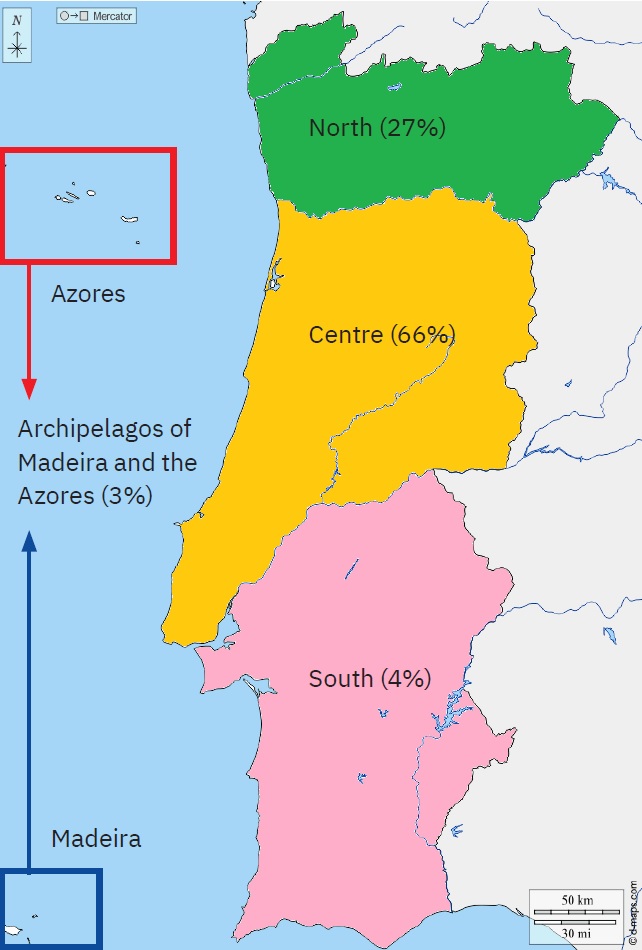
Figure 1. A representative map of Portugal and the percentages of respondents by region.
Sample size was calculated using the Hajian-Tilaki formula (2011), assuming an expected prevalence of 50% percent, a 95% confidence level, and an absolute error of 10%. In total, 97 participants would be needed. To allow for a non-response rate of 3%, it was estimated that the sample should therefore comprise 100 sampling units.
Ethical considerations
The Ethics Committee of the University of Trás-os-Montes and Alto Douro (UTAD) issued a favourable opinion for this study (Doc60-CE-UTAD-2024). Each participant was informed of the aims of the questionnaire and that their participation was anonymous and voluntary.
Data analysis
Statistical analysis was performed using the Statistical Package for Social Sciences (SPSS ®) version 25 software. The frequencies of responses on preventive medicine by the Portuguese population were described. The statistical association was studied in relation to several parameters of participant knowledge, attitudes and practices according to demographic variables. The chi-squared test was used. A value of P<0.05 was considered statistically significant.
Results
The results obtained showed that, from the collected sample, most respondents were male (77%), with 22% females, and the two predominant age groups were 18–29 years and 30–55 years, each representing 45% of the total participants, while 10% of responders were older than 55 years. Regarding their geographical distribution, the highest participation was from individuals in the Central region (66%), and the majority of participants resided in urban areas (65%) (Table 1).
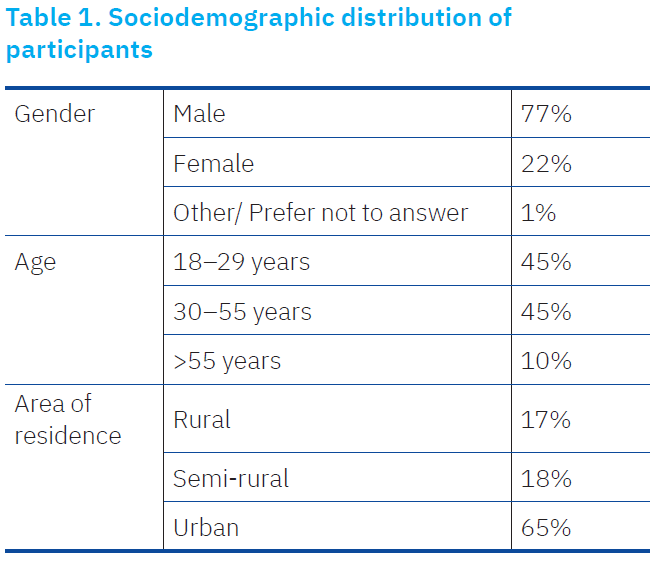
Table 1. Sociodemographic distribution of participants
The results showed that the majority of participants (72%) reported that their animals were sterilised. Taking into account the sex of the animal, 91.7% of females and 66.7% of males were sterilised. By species, 80.5% of dogs and 69.6% of cats were sterilised.
Only 15% of respondents gave a specific reason for not sterilising their animals, the most common being economic availability (6%) and the belief that sterilisation was unnecessary (2%). In the group of participants with dogs, the most common reason given was the belief that sterilisation was unnecessary (n=2), while in the group of participants with cats, the most common reason given for not having the animal sterilised was economic availability (n=3). For female cats and dogs, it was reported that one animal was about to have a litter (n=1), and another was still too young for the procedure (n=1). For participants who owned male cats and dogs, the most common reason given was that they felt sterilisation was unnecessary (n=2).
The results showed that most of the participants’ animals were sterilised between the ages of 6 months and one year, including dogs (44.4%) and cats (39.1%), both females (54.2%) and males (37.5%).
In the case of female animals, most sterilisations took place before the first oestrus in the majority of bitches (41.2%), and between the first and second heat in the majority of female cats (40%). The results showed that most bitches had no litters prior to sterilisation (n=10), whereas for cats, two participants reported that their cats had no litters and two reported that they had a litter.
The most frequent reasons for sterilising dogs were mainly to prevent diseases of the reproductive system and mammary neoplasia (33.4%) and to avoid unwanted pregnancies and litters (23.8%). For participants with cats, the most common reasons were to prevent reproductive system diseases and mammary neoplasia (26.2%), or due to a veterinarian’s recommendation (19%). For female cats, the main reasons were to prevent diseases of the reproductive system and mammary neoplasia (32%) and to avoid unwanted litters and pregnancies (28 %). Participants with male animals reported it mainly to prevent diseases of the reproductive system (33.3%) or because of a veterinarian’s recommendation (25%).
After sterilisation, participants reported various health and behavioural benefits for their animals. Dog owners most commonly reported benefits as the prevention or treatment of reproductive system diseases (15%) and the absence of clinical signs of heat, with calmer behaviour of the animals (12.5%). In cats, the main benefit was the absence of clinical signs of oestrus and greater calmness (12.5%). The advantage of the absence of clinical signs of oestrus was mentioned by the majority of participants for females (16.7%) and males (21.7%). The only disadvantage mentioned by the participants was an increased tendency toward weight gain and the consequent need for dietary control, reported by 15% of dog owners, 10% of respondents with female animals, and 4.4% of those with male animals, with both sexes represented among dogs and cats.
Some participants (47%) considered that the statement ‘Sterilisation of pets can be done at any age and has no impact on their preventive effect’ was false. There was a statistical association between the participant age group of 18–29 years old and considering the statement false (P<0.001). Around 14% of participants considered the statement to be true. For this question, 39% of participants indicated that they didn’t know or preferred not to answer.
Discussion
This study, like others of its kind, makes it possible to assess attitudes and practices towards preventive veterinary medicine, namely reproductive control, which reflect different types of motivations for supporting or not supporting sterilisation practices. The findings of these studies provide us with important insights into the general attitudes of a population towards reproductive control, allowing for more targeted and effective education of owners, as well as providing a base for further studies. This questionnaire revealed that the majority of participants had good knowledge and appropriate practices in relation to reproductive control, with the majority of participants (72%) reporting that their animals were sterilised. Compared to similar studies, such as Downes et al. (2015), the majority of the group of participants had neutered all of their pets (62.8%). McKay et al. (2009) reported that cats, regardless of sex, were more likely than dogs to be sterilised, with 91.7% of cats and 78.5% of dogs being sterilised. This association was not found in the present study, in which 80.5% of dogs and 69.6% of cats were sterilised. In a study carried out in the United States, the majority of respondents agreed or strongly agreed that sterilisation can bring health (65.1%) and behavioural (69%) benefits, and indicated that spaying and neutering is generally considered to be socially responsible and moral (Glasser, 2021). Analysing the results, cost can be seen as a barrier to sterilisation, since the most frequently cited reason for not sterilising an animal in the present study was economic availability. Glasser (2021) reported this was reflected in the interviewees’ perceptions, with more than half (51.9%) of all interviewees agreeing with the statement that sterilisation is expensive.
A previous study showed that the decision to neuter was influenced by a number of factors, including the desire to control behaviours such as straying and fighting, animal health concerns, the owner’s sense of responsibility, the pet’s function and veterinary advice, while the decision not to neuter was influenced by the perceived financial cost of the procedure, the adequacy of existing controls, and animal health concerns (Downes et al., 2015). Another study showed that the main reason given by the majority of the British public for supporting routine spaying for all categories of animals (except male dogs) was the prevention of unwanted offspring, followed by the prevention of reproductive diseases (Wongsaengchan and McKeegan, 2019). Our results corroborated this study, since the most cited reasons for having their animals sterilised were to prevent diseases of the reproductive system, to avoid unwanted pregnancies and litters, and due to a veterinarian’s recommendation. The calmness of their animals after sterilisation and the main disadvantage of weight gain and associated dietary management observed in our study, were also aligned with the study of Downes et al. (2015).
Less than half of participants (47%) correctly indicated that the statement ‘Sterilisation of pets can be done at any age and has no impact on their preventive effect’ was false, and there was a statistical association between the participant age group of 18–29 years old and considering the statement false, which may be due to the easy access to information in this age group. Despite the fact that the majority of respondents had opted to have their animal sterilised and correctly identified the advantages and disadvantages associated with it, there is a need for more investment in education, especially in terms of the preventative effects that differ based on animal age, technique used, among other factors. In order to determine the age at which an animal should be sterilised, an individual assessment of the patient is necessary in order to maximise preventative effects and long-term health (Hart et al., 2020).
This study has several limitations, primarily related to the distribution of participants. A significant proportion (66%) of respondents were from the Central region of the country, and the majority (65%) resided in urban areas. These factors may limit the generalisability of the findings to other regions, particularly the southern regions of Portugal and the islands, which were underrepresented in this sample. In addition, participants were predominantly male. The fact that the questionnaire was carried out online limits access to people who are not familiar with the internet and social networks, and therefore were not included in the study. Furthermore, it is not possible to control whether or not participants had access to sources of information needed to answer the questions correctly (Oxley et al., 2012).
Conclusion
This research has shown that the sample of people surveyed generally have good knowledge, attitudes and practices in this area. This research also identified gaps in education and target areas for improvement, allowing for more targeted and effective owner education. In order to understand the country, it would be interesting to carry out further studies on this topic to obtain a more accurate assessment of the knowledge, attitudes and practices of this population.
Funding
This work was supported by the projects UI/00772/2020 (Doi:10.54499/UI/00772/2020) and AL4AnimalS (LA/P/0059/2020) funded by the Portuguese Foundation for Science and Technology (FCT).
References [… show]
Upitnik o kontroli reprodukcije kao komponenti preventivne medicine u populaciji pasa i mačaka u Portugalu
Alessandra Patrícia Gomes Ferreira1* (dopisni autor), patricia.ferreiraa98@gmail.com; Ana Cláudia Correia Coelho1, accoelho@utad.pt, orcid.org/0000-0002-7196-4179; Ana Celeste Andrade Martins de Carvalho Bessa1, abessa@utad.pt, orcid.org/0000-0002-9566-3100
1 Department of Veterinary Sciences, University of Trás-os-Montes and Alto Douro (UTAD), 5000-801 Vila Real, Portugal
Preventivna veterinarska medicina integralni je dio veterinarske zdravstvene skrbi u veterinarskoj praksi i u bolnicama. Primarni su joj ciljevi smanjivanje rizika razvoja patologija, poboljšanje dobrobiti životinja i promicanje dugoročnosti njihova zdravlja. Navedeno obuhvaća mnoga područja uključujući reproduktivnu medicinu. Cilj je ovog istraživanja bio analizirati znanje, stavove i percepcije uzorka portugalske populacije po pitanju preventivne veterinarske medicine i njoj srodnih područja, kao i pripisanog joj značenja. Za prikupljanje podataka koristio se digitalni upitnik koji se distribuirano putem platformi društvenih mreža. Uzorak se sastojao od 100 ispitanika, svih u dobi od 18 i više godina. Rezultati su iskazivali da je većina sudionika imala dobru razinu znanja i pokazala odgovarajuće stavove i prakse po pitanju preventivne veterinarske medicine, posebice s obzirom na kontrolu reprodukcije. Naime, 72 % sudionika izjavilo je da je dalo sterilizirati ili kastrirati svoje životinje, a 41,2 % ženki pasa bilo je sterilizirano prije prvog estrusnog ciklusa. Nadalje, znatan udio sudionika je točno odredio prednosti i potencijalne komplikacije povezane sa sterilizacijom. Nadalje, ovo je istraživanje istaknula određene nedostatke u znanju, pokazujući time potrebu za usmjerenijim i učinkovitijim educiranjem vlasnika kućnih ljubimaca, pri čemu glavnu ulogu imaju veterinarski timovi.
Ključne riječi: kontrola reprodukcije, psi, mačke, znanje, prakse
